
Missing a tooth for months or even years does not automatically mean dental implants are no longer an option. Many people delay replacing missing teeth for financial reasons, busy schedules, or because the gap does not seem to affect daily life at first. Over time, however, changes beneath the surface can influence the treatment process.
An implant dentist in Orlando evaluates much more than the empty space in your smile. Factors such as jawbone health, gum condition, overall oral health, and your goals all help determine whether dental implants are still a suitable option. Even if you've been missing teeth for a long time, advances in modern dentistry have made implant treatment possible for many patients.
Understanding what happens after tooth loss and how dental implant treatment is planned can help you feel more confident about your next steps.
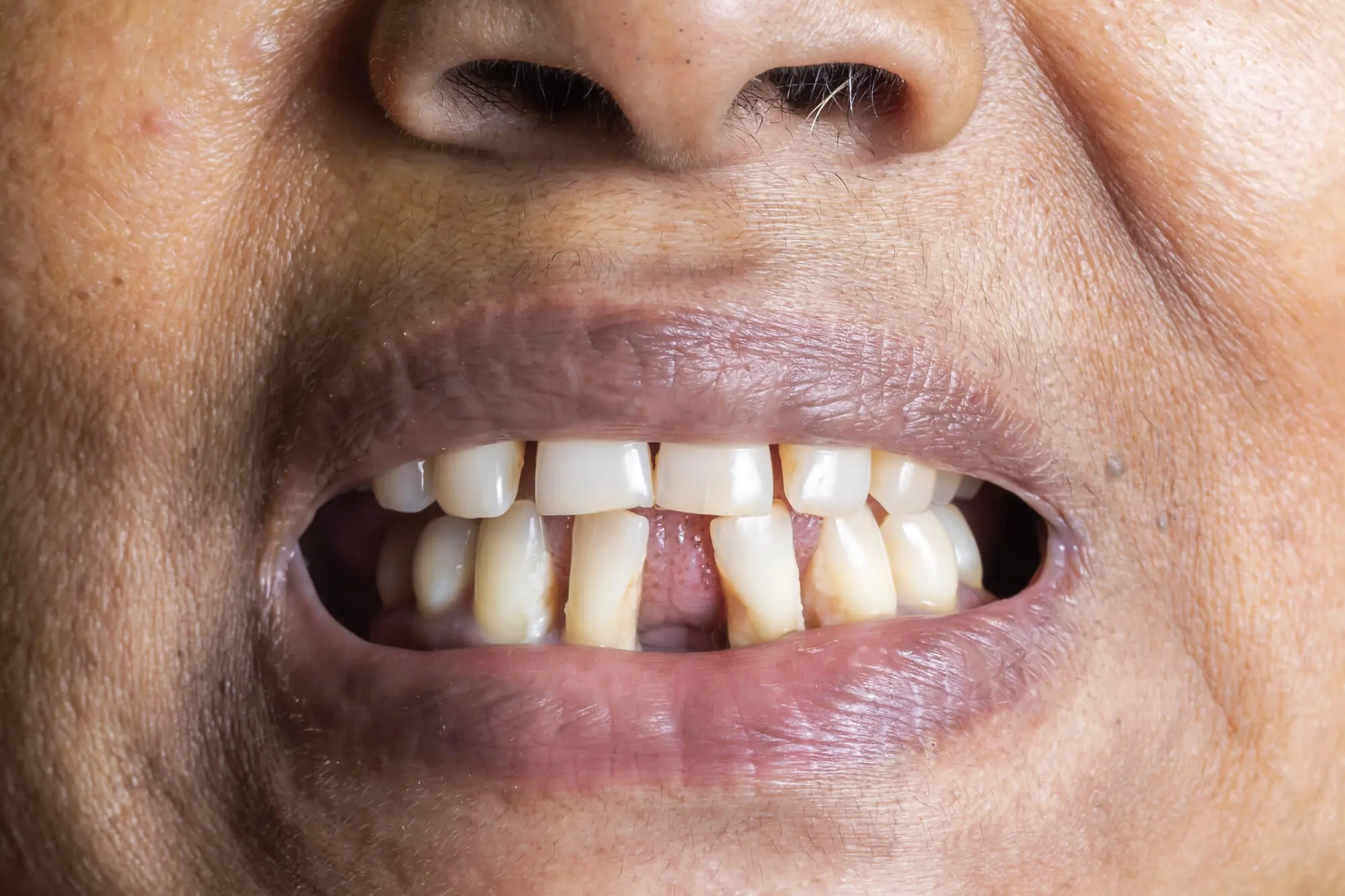
A missing tooth affects more than your appearance. Once the tooth root is gone, the jawbone in that area no longer receives the stimulation created by everyday chewing. As a result, the bone gradually begins to shrink, a process known as bone resorption.
This change happens slowly over time and may lead to:
The longer a tooth remains missing, the more likely these changes become. Even so, they do not necessarily prevent dental implant treatment.
Not at all.
Many people successfully receive dental implants years after losing one or more teeth. The determining factor is not simply how much time has passed but whether enough healthy bone remains to support the implant.
During your evaluation, your dentist will assess several factors, including:
Every patient's situation is unique, which is why a comprehensive examination is an important first step before recommending treatment.
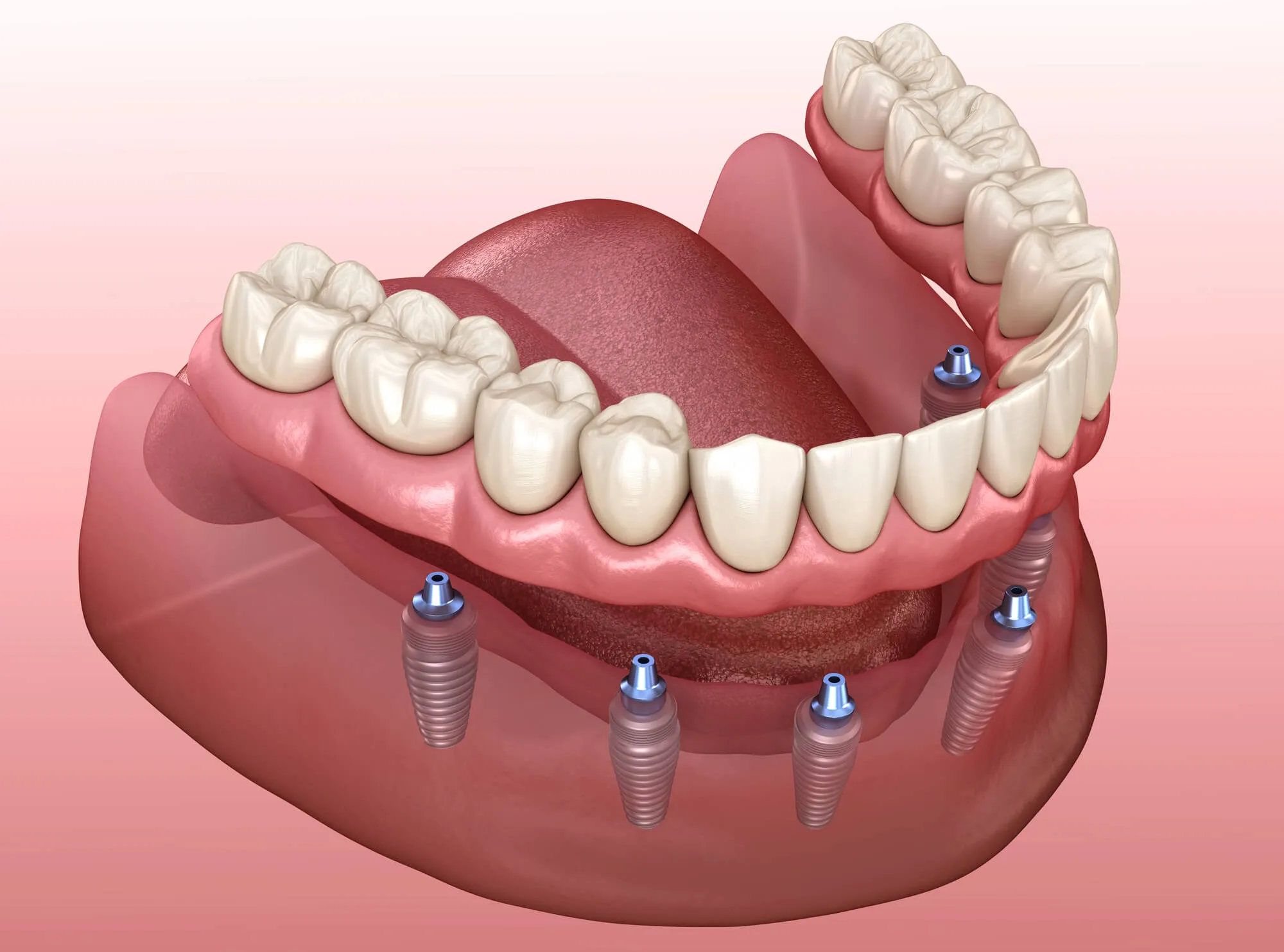
Unlike dentures or bridges, dental implants are placed directly into the jawbone. The implant functions like an artificial tooth root, creating a stable foundation for the final restoration.
Without enough healthy bone, the implant may not have adequate support.
Fortunately, today's implant procedures offer several ways to address reduced bone volume.
Bone loss is common after years of missing teeth, but it does not automatically eliminate implant treatment.
Depending on your needs, your dentist may recommend procedures that help prepare the implant site before placement. These recommendations vary from patient to patient and are based on detailed imaging and clinical evaluation.
The goal is to create a healthy foundation that supports long-term implant success whenever possible.
Planning dental implant treatment involves much more than examining the missing tooth.
Your consultation may include:
Digital Imaging
Three-dimensional scans provide detailed information about:
This allows your dentist to create a personalized treatment plan with greater precision.
Your dentist will also examine:
Each of these factors contributes to the overall success of implant treatment.
Certain medical conditions and medications may influence healing. Discussing your health history helps your dental team determine the safest and most appropriate approach.
Not every patient requires the same type of implant treatment.
Depending on your situation, options may include:
Your dentist will recommend an approach based on your oral health, functional needs, and long-term goals rather than using a one-size-fits-all treatment plan.
Bone grafting is one of the most common questions patients ask after learning they've experienced bone loss.
The answer depends entirely on the amount of remaining bone.
Some patients have maintained enough bone to proceed directly with implant placement, while others may benefit from bone grafting beforehand.
Bone grafting helps increase bone volume in areas where natural bone has diminished. Whether this procedure is recommended depends on your clinical findings rather than how many years you've been missing the tooth.
Many adults wonder whether they've waited too long because of their age.
In reality, healthy older adults often make successful dental implant candidates.
Rather than focusing on age alone, dentists evaluate:
Someone in their seventies with healthy bone may be a better implant candidate than a much younger person with advanced periodontal disease or uncontrolled health conditions.
Living with missing teeth for years can gradually affect everyday life.
Replacing missing teeth may help support:
Because dental implants function similarly to natural tooth roots, they also provide support that traditional tooth replacement options cannot replicate.
Seeking an evaluation, even years after tooth loss, allows you to understand what options are available based on your current oral health.
Possibly. Many patients receive dental implants after long periods of tooth loss. Your dentist will evaluate your bone health and determine whether any preparatory procedures are recommended before implant placement.
Not necessarily. Some patients retain enough healthy bone to support implants without additional procedures. A clinical examination and digital imaging will determine your specific needs.
Dental implants have demonstrated high long-term success rates when patients are carefully evaluated, treatment is appropriately planned, and good oral hygiene is maintained.
Treatment timelines vary depending on healing, bone health, and whether additional procedures are required. Your dentist will explain your expected timeline after completing your evaluation.
Yes. Dental implants can replace a single missing tooth, several missing teeth, or support full-arch restorations depending on your treatment plan.
Bone loss is a natural response after a tooth is lost because the jawbone no longer receives stimulation from the tooth root. The amount and rate of bone loss vary from person to person and can depend on factors such as overall oral health, the location of the missing tooth, and how long it has been absent.
A dental implant consultation typically includes a comprehensive oral examination, digital imaging, and a discussion about your medical history and smile goals. Your dentist will evaluate your jawbone, gums, and remaining teeth before explaining whether dental implants are a suitable option and what your personalized treatment plan may involve.

Living with missing teeth for years does not necessarily mean you've missed the opportunity to restore your smile. Every patient's oral health is different, and the only way to know whether dental implants are an option is through a comprehensive evaluation.
At Altamonte Implant & Cosmetic Dentistry, we believe the best treatment plans begin with listening. Our team takes the time to understand your concerns, answer your questions, and recommend options that align with your oral health needs and personal goals. If you're ready to learn more about dental implants, schedule a consultation with us. We're here to help you explore your options with tailored care and guidance every step of the way.

– Dr. Atila C. Miranda, DDS –
(407) 831-4008752 Stirling Center Pl STE 1000,


*THE CONTENT/IMAGES ON THIS WEBSITE ARE NOT A GUARANTEE OF INDIVIDUAL RESULTS. INDIVIDUAL RESULTS MAY VARY. THE INFORMATION PROVIDED ON THIS SITE IS FOR GENERAL INFORMATIONAL PURPOSES ONLY, AND DOES NOT REPLACE THE NEED FOR A FORMAL CONSULTATION.