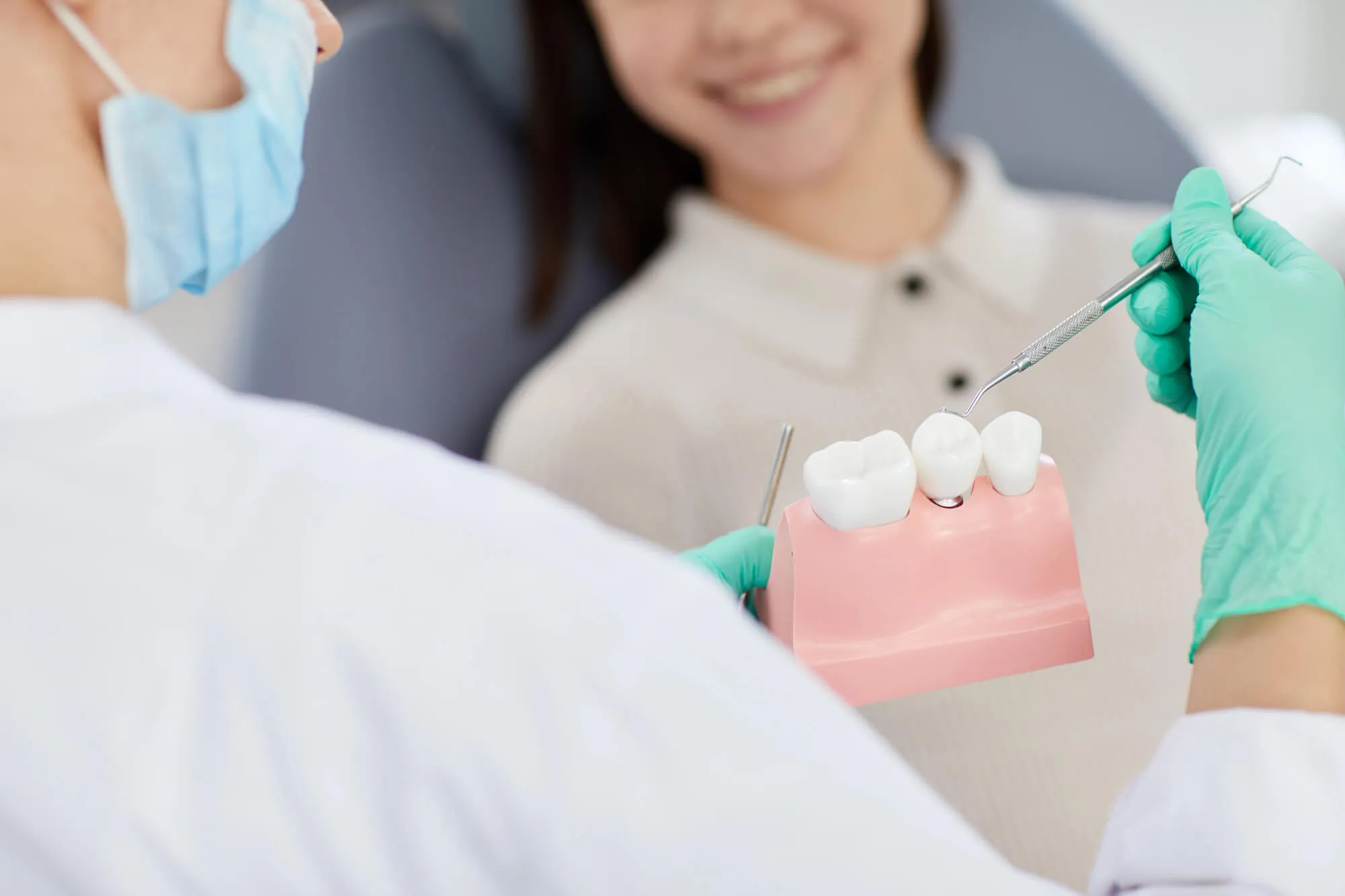
A damaged or weakened tooth often requires a crown to restore strength and function. While traditional crowns have been used for years, newer options now allow treatment to be completed in a single visit. Same-day crowns in Orlando offer that convenience, which can be appealing for patients with busy schedules. At the same time, durability remains an important consideration. Looking at how these crowns are made, how they perform, and what affects their lifespan helps clarify how they compare to traditional options.
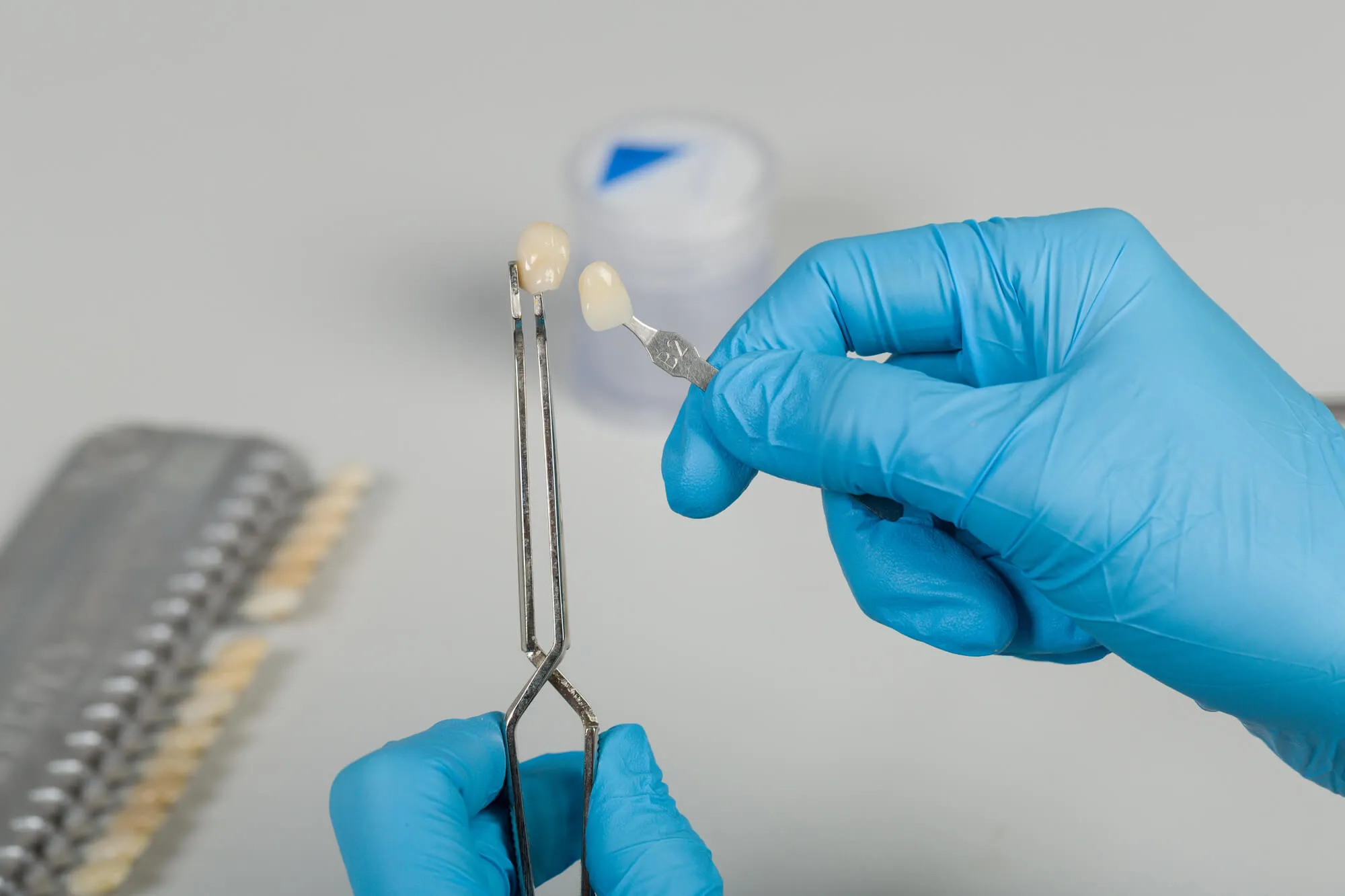
A crown is designed to restore strength and protect a tooth from further damage. Its durability depends on several factors working together:
Both same-day and traditional crowns are built to handle everyday function. The main difference lies in how they are created and placed. A crown that fits well, is properly bonded, and is supported by healthy tooth structure tends to perform more consistently over time.
Same-day crowns are typically made from high-strength ceramic. These materials are designed to handle normal chewing forces while maintaining a natural appearance. The ceramic blocks used in digital systems are dense and uniform, which supports long-term performance and reduces weak points within the restoration.
Traditional crowns offer more material options, including:
Each material has different properties. Metal-based crowns are known for durability under heavy pressure, while ceramic options are often selected for their ability to match natural teeth. Same-day crowns use advanced ceramics that balance strength and aesthetics, making them suitable for a wide range of cases.
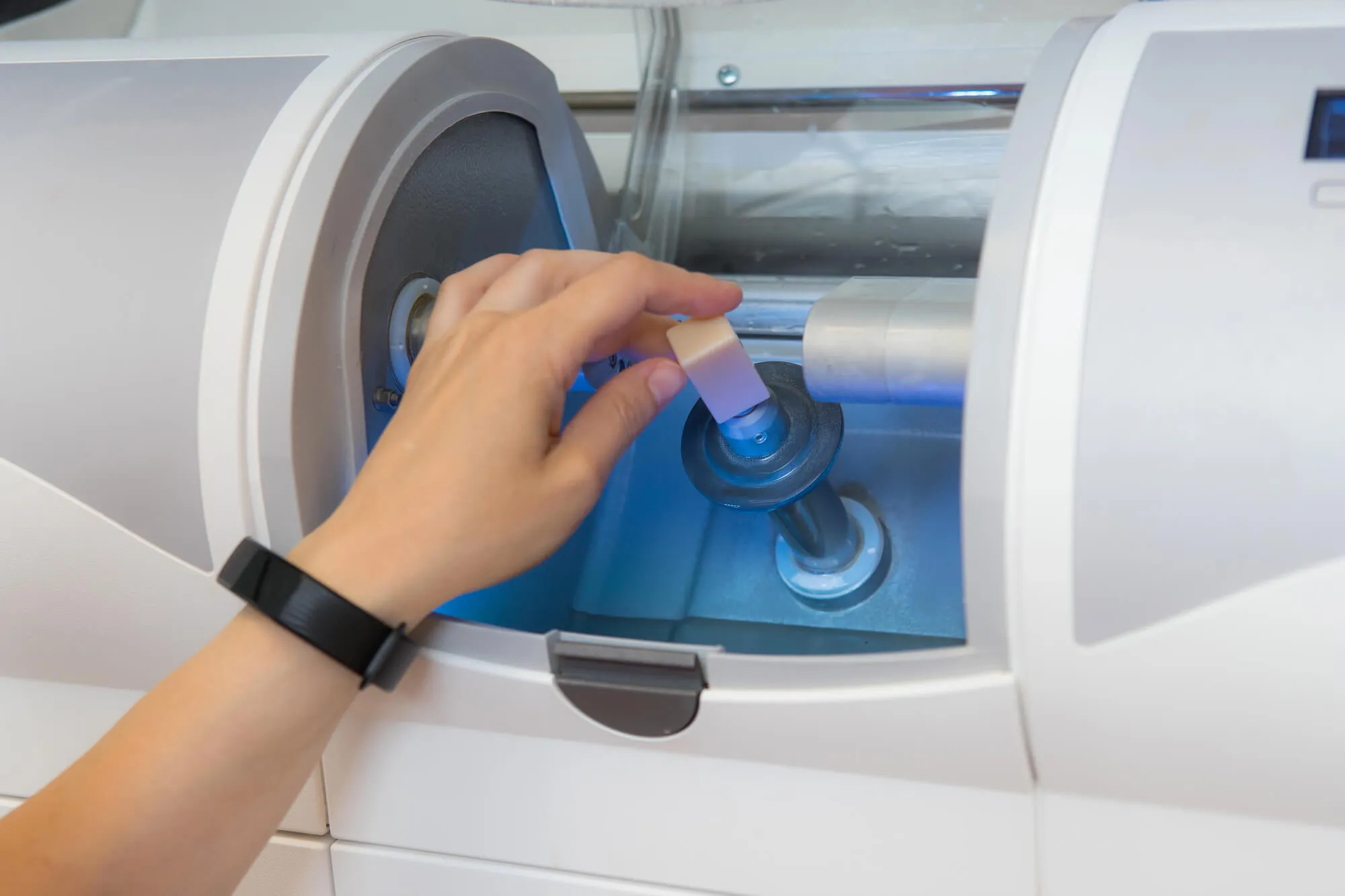
Same-day crowns are created using digital scanning and in-office milling. After the tooth is prepared, a digital impression is taken and used to design the crown. A milling unit then shapes the restoration from a solid ceramic block. Traditional crowns are fabricated in a dental lab. The process involves physical impressions, lab design, and fabrication before the crown is returned to the office for placement.
A milled crown has a consistent internal structure because it is carved from a single piece of material. Lab-made crowns may involve layering techniques, which can influence how stress is distributed across the surface. Both approaches are effective when planned carefully, though digital systems allow for faster turnaround and immediate adjustments.
The way a crown fits affects how it performs over time. A precise fit helps evenly distribute biting pressure and reduces the risk of irritation, gaps, or premature wear. Same-day crowns rely on digital impressions, which capture detailed images of the tooth and surrounding structures. This allows for real-time adjustments before placement, helping improve accuracy. Traditional crowns use physical impressions that are sent to a lab. While these can also produce reliable results, adjustments may require a second visit. A well-fitted crown, regardless of type, supports comfort, stability, and long-term performance.
Both same-day and traditional crowns can last for many years. In most cases:
Longevity depends less on how the crown is made and more on how it is maintained. Daily brushing, flossing, and regular dental visits help support long-term results. Avoiding excessive force on the crown is also important.
Different teeth handle different levels of pressure. Molars are exposed to higher chewing forces, while front teeth are more visible and handle lighter functions.
Same-day crowns are suitable for:
Traditional crowns may still be recommended for certain cases that require specific materials or structural support. The final choice depends on the tooth's condition and its function during daily use.
One of the main advantages of same-day crowns is the ability to complete treatment in a single visit. There is no need for temporary crowns or multiple appointments.
Traditional crowns usually require:
Reducing the number of visits can help minimize disruption to your schedule. Durability-wise, both options can perform well. The difference is mainly in timing and workflow.
Not every situation is identical, and dentists evaluate several factors before recommending a same-day crown. These include:
Teeth that are structurally sound and free from complex complications are often good candidates for same-day crowns. When additional support or specialized materials are needed, a traditional crown may still be recommended. This evaluation helps guide the treatment plan while supporting long-term durability.
Same-day crowns are widely used, though there are situations where they may not be the preferred option.
These limitations highlight the importance of selecting the right approach for each case. A thorough assessment helps determine whether a same-day or traditional method is more appropriate.
Patients often want to know whether a crown made in one visit can hold up as well as one made over two appointments. That concern is understandable, especially when the restoration needs to handle daily chewing, temperature changes, and long-term wear.
In many cases, yes. Same-day crowns are often made from durable ceramic materials that balance function and appearance. These materials can withstand normal biting and chewing forces. Strength depends not only on the crown itself, but also on where it is placed, how well it fits, and how much healthy tooth structure remains underneath.
Same-day crowns are not considered fragile, but no crown is damage-proof. Chipping can occur with both same-day and traditional crowns when they are subjected to excessive force. Chewing ice, biting pens, opening packaging with your teeth, or grinding at night can put excessive pressure on the restoration.
They can. With good oral hygiene, regular dental visits, and healthy day-to-day habits, same-day crowns may last just as long as traditional crowns. Long-term performance often comes down to maintenance rather than whether the crown was made in an office or a lab.
Several factors influence how long a crown lasts:
Dentists evaluate these factors before recommending a treatment approach. In some cases, protective appliances such as night guards may be recommended to reduce pressure on the crown.
The choice between same-day and traditional crowns depends on your specific situation. Factors that may be considered include:
Same-day crowns offer efficiency without compromising strength for many cases. Traditional crowns may still be used when certain materials or techniques are more appropriate. A clinical evaluation helps determine which option supports both function and long-term stability.
Same-day crowns and traditional crowns are both designed to restore and protect damaged teeth. Advances in dental technology allow same-day crowns to provide strength and durability comparable to traditional options. Material quality, precision, and long-term care all contribute to how well a crown performs. For patients considering same-day crowns, understanding how these restorations function can provide clarity when discussing treatment options with a dental professional.
At Altamonte Implant & Cosmetic Dentistry, care focuses on precision, efficiency, and long-term oral health. Digital technology allows the team to design and place crowns in a single visit while maintaining strength and function. If you’re considering a dental crown, the team can evaluate your needs and recommend an option that fits your goals and schedule. Contact us today!

– Dr. Atila C. Miranda, DDS –
(407) 831-4008752 Stirling Center Pl STE 1000,


*THE CONTENT/IMAGES ON THIS WEBSITE ARE NOT A GUARANTEE OF INDIVIDUAL RESULTS. INDIVIDUAL RESULTS MAY VARY. THE INFORMATION PROVIDED ON THIS SITE IS FOR GENERAL INFORMATIONAL PURPOSES ONLY, AND DOES NOT REPLACE THE NEED FOR A FORMAL CONSULTATION.